Campus Living, Life on Campus
Older Dorms and Hidden Risks: A Student Guide to Asbestos Awareness on Campus
Editorial Staff
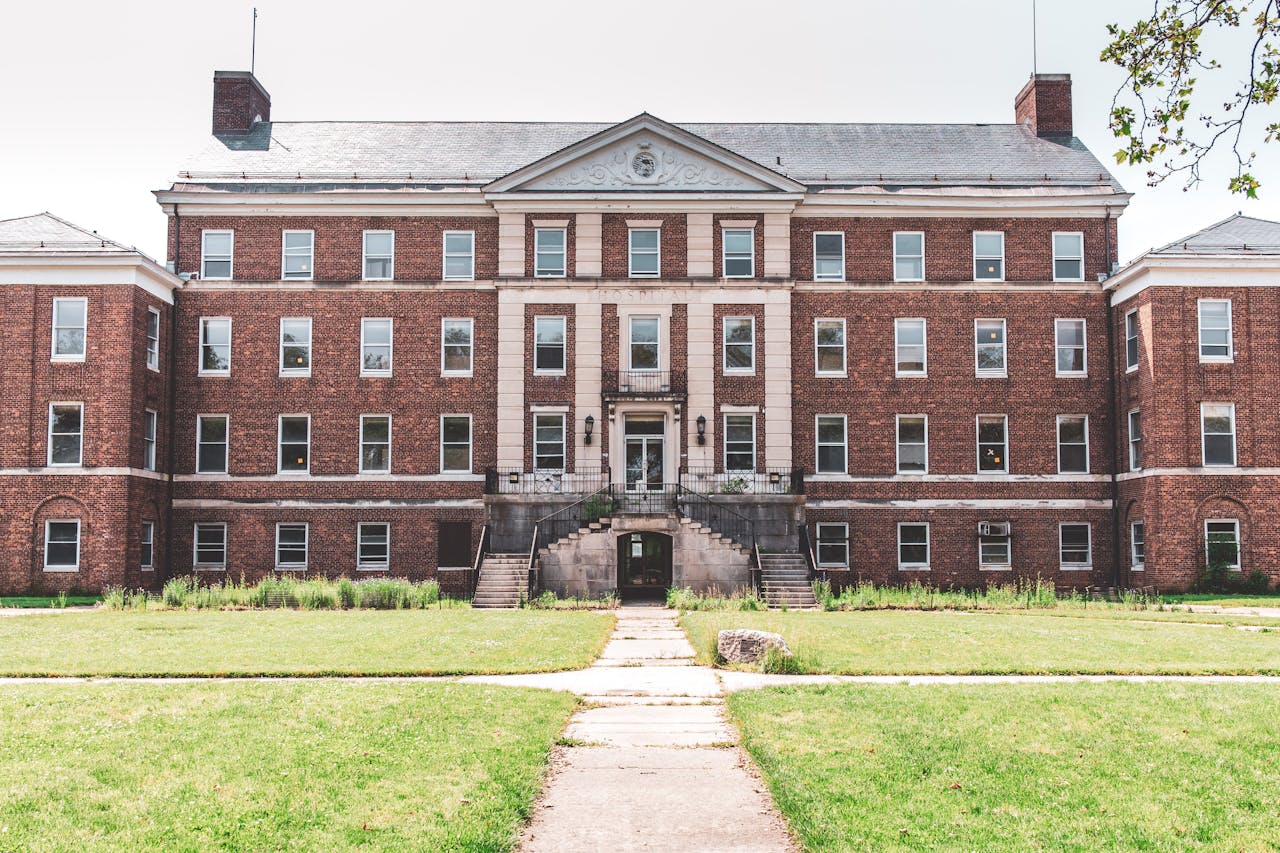
Dilapidated dorms may be solid and secure, the walls are thick and the doors are heavy and it appears as though it is constructed to withstand. Nevertheless, insulation, wrap on pipes, and fireproofing elements commonly contained asbestos when most of the buildings were made. It is not the age but the disturbance.
The risk of exposure is normally minimal when asbestos-containing material remains intact and closed. Fibers may get into the air when it is drilled, scraped, sanded, cracked and crumbling. This paper discusses what to look out, what to shun, and whom to call whenever something doesn’t appear right.
Common Hotspots and Document Concerns
Most schools are able to deal with asbestos safely through inspections, labeling and maintenance plans. These strategies are anchored on the concept of management in place where asbestos materials can be left intact provided, they are in good condition and they are monitored. Risk increases when the material is fissured, crumbling, water damaged or disturbed by student projects or maintenance. Some of the common hotspots that are present in older dorms consist of pipe insulation around radiators, textured ceiling paints, floor tiles and adhesive, and certain older wall panels or heater enclosures.
Look at the insulation of pipes around radiators, broken ceiling texture, lost tiles, or dusty post-repair debris. Please leave it, but make a photo where it is safe, write down the room and the date and order a housing or facilities ticket. When the scenario touches on housing or health, the asbestos settlements can be read and understand why it is important to document. Making your own schedule- photos, ticket numbers and replies will enable you to follow the kind of things that were said and how the school acted.
Avoid DIY Repairs
One shelf install can turn into a ‘quick drill’ moment, and that can be a problem in older dorms with unknown wall materials. You cannot tell by sight alone whether a wall, ceiling texture, or tile contains asbestos. Avoid drilling into walls, ceilings, or tile, even if you think it is minor. Ask housing for approved mounting options, or request maintenance help.
Facilities teams often have building records or protocols that guide where they can safely drill. If you rent off campus, get permission in writing before any drilling, and ask if the building has an asbestos survey. Your safest move is to keep surfaces intact and let trained staff handle the fixes. Even small projects like removing old glue from floors or sanding painted surfaces can disturb hidden materials.
Report Possible Asbestos-Related Safety Concern
Make calls using your housing portal or call facilities, and then loop in your resident assistant (RA) should you require any assistance escalation. Make the report clear and to the point: tell what you have observed, where it is located and when it was observed. Insert one clear photo of a safe distance in case it is possible.
It should not be shared in group chats or on social media, which may cause panic and misinformation. In case of poor health or extreme nervousness, go to the campus health clinic and get a quick note and check-up. Next, find out the name of the Environmental Health and Safety contact, and record his name and any ticket numbers. In case of a planned repair, inquire about the nature of repair, materials and the means of containment.
Abatement
If asbestos-containing material is confirmed, the school may seal it, repair it, or schedule abatement. You might see plastic sheeting, warning signs, negative air machines, and restricted entry. Follow the boundaries and do not peek inside.
Be sure to enquire from the housing department for a written update on which spaces are affected, expected timelines, and where you should relocate if needed. Ask whether air testing will be done before spaces reopen. Save emails, notices, and any work orders in one folder so you have details to refer back to later.
Protect Schedule and Advocate for Safe Work
If your room is impacted, request temporary housing, laundry access, and a clear move-back date. If classes are disrupted, share the official notice and ask professors for short extensions. If you are a student worker in maintenance, theater, labs, or renovations, ask for training, PPE, and supervision before tasks begin. You can ask questions, and you can pause work that feels unsafe. If instructions conflict, reach out to a supervisor or Environmental Health and Safety for guidance.
Final Thoughts
Asbestos awareness on campus is about calm attention, not fear. Notice damage, avoid DIY repairs, report quickly, and keep your documentation. When in doubt, prioritize distance, then let trained professionals handle inspection and cleanup. Use official updates, not hallway rumors, whenever possible.






-213x300.jpg)