

Campus Living, Featured, Life on Campus
The Effect of TikTok and Instagram on Campus Popularity and Culture
Editorial Staff
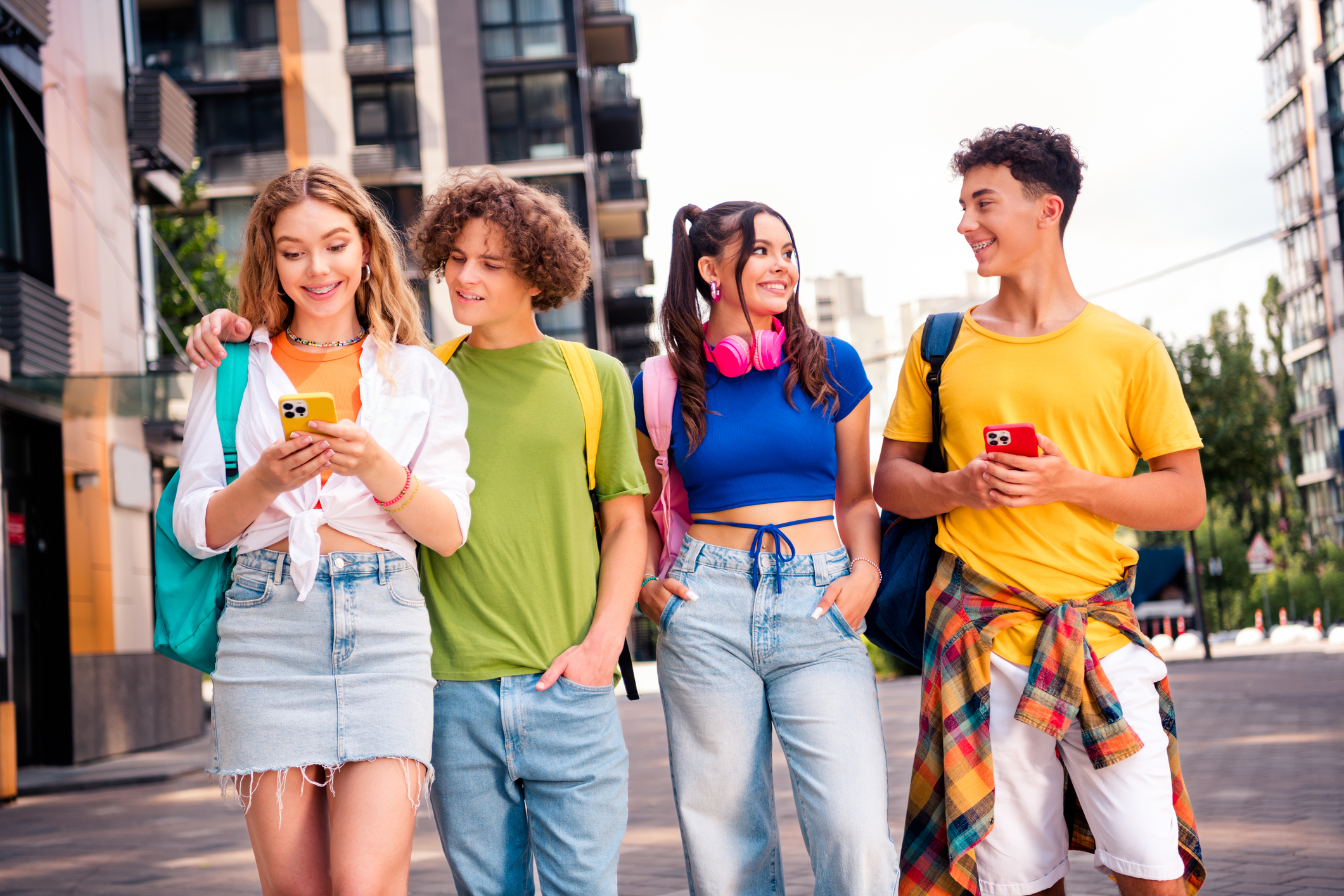
TikTok has evolved from a basic entertainment app in 2016 to become a powerful information hub for young adults. The platform’s viewers between 18-24 years old make up about 25%, which makes college campuses perfect for its growing influence. TikTok’s video format has created a new way of bite-sized learning that strikes a chord with today’s students.
Instagram still holds strong in campus culture as well with around 63% of students using the platform actively. The effect of these platforms goes way beyond casual browsing. Students from Gen Z trust their peers’ recommendations 75% more than traditional ads for making purchase decisions. This has altered how campus trends emerge. The market value for influencers grew to $16 billion in 2022, doubling since 2019. These numbers show the economic power behind this cultural change. We look at how TikTok and Instagram have altered college life and affected everything from how students consume information to campus popularity metrics and student culture.
Why Students Turn to TikTok and Instagram for Campus Life
Students no longer rely on glossy brochures and staged campus tours to learn about college life. They turn to TikTok and Instagram for genuine glimpses of campus culture before visiting universities.
The Appeal of Immediate, Relatable Content
Students want authenticity more than polished marketing. Research shows they trust user-generated content because it feels genuine. This explains why student-created TikToks about daily campus life appeal so much to future applicants.
“It made me believe, ‘Wow, that actually could be my day,’” said an 18-year-old student about watching peer-created content. Students can get into a campus “vibe” through multiple feeds their peers create, instead of watching curated promotional videos.
The content becomes compelling because students can relate to it. They value seeing:
- Real student testimonials and authentic experiences
- Inclusive and vibrant campus communities
- Clear information about programs and costs
- Behind-the-scenes looks at student life
This move toward authenticity matches how Gen Z consumes media. They show more skepticism toward polished, brand-heavy messaging than millennials did. TikTok users say they use the platform “to lift my spirits”—a reason unique to this social network.
How Social Media Fills the Information Gap
Social media shows aspects of college life that past generations couldn’t see until after they enrolled. Education consultants tell students to use social platforms during college research because they show “real-life stuff that a college website won’t necessarily tell you”.
TikTok reaches two-thirds of teenagers, making it crucial for recruitment. Students follow college accounts to see student life content (37%), learn about applications (31%), and discover content about their potential major (30%).
These platforms stand out because they answer questions traditional marketing materials can’t. Students see everything from dining hall food to study spots, weekend activities, and genuine peer interactions. This complete picture helps them make better decisions about where they’ll belong.
First-generation and underrepresented students benefit from early social media exploration. It becomes their first glimpse into campus culture before they feel ready to reach out directly.
The Rise of Student Influencers and Peer Validation
Student influencers are changing the game on college campuses. These social media-savvy students are redefining campus popularity through TikTok and Instagram. They build real connections that traditional campus figures can’t match.
What Makes a Student Influencer?
Student influencers are content creators with domain expertise who can shape their followers’ attitudes and purchase decisions. They speak directly from their peers’ viewpoint, unlike official university channels. Their guidance connects on personal and emotional levels.
The secret to successful student influencers lies in their authenticity and strong personal voice. They create genuine and helpful content that says, “I’ve been where you are, and here’s what helped me have a great college experience”. They know the campus ecosystem inside out and turn university experiences into content that appeals to current and future students.
Micro vs. Macro Influence on Campus
Campus influence works at different levels. Micro-influencers usually have 10,000-100,000 followers and stick to specific niches. Macro-influencers have over 100,000 followers and cover broader topics.
Micro-influencers get higher engagement rates (7%-20%) than macro-influencers (around 5%), even with smaller audiences. Their success comes from targeted content and authenticity. Many brands and universities now prefer to work with micro-influencers because:
- Their content feels more genuine and trustworthy
- They shine in specific niches that students care about
- They get 60% more engagement than larger creators
Peer Trust and Community Engagement
Peer validation drives student influencers’ success. Research shows 75% of Gen Z trust their peers’ recommendations over traditional ads. This trust has made student-led content a powerful tool for building genuine connections.
Student influencers create what marketers call “built-in communities” – spaces where micro-influencers connect meaningfully with their audience. These communities thrive because student influencers understand what makes campus life special for their followers.
Universities see this transformation and create student ambassador programs and social media campaigns that magnify student voices. These initiatives help universities use authentic student experiences to build inclusive online communities where students feel at home.
Related Articles




What's Trending


Recommended for you



-259x300.jpg)