Campus Living, Featured, Life on Campus
The Effect of TikTok and Instagram on Campus Popularity and Culture
Editorial Staff
Cultural and Emotional Impact of Social Media on Students
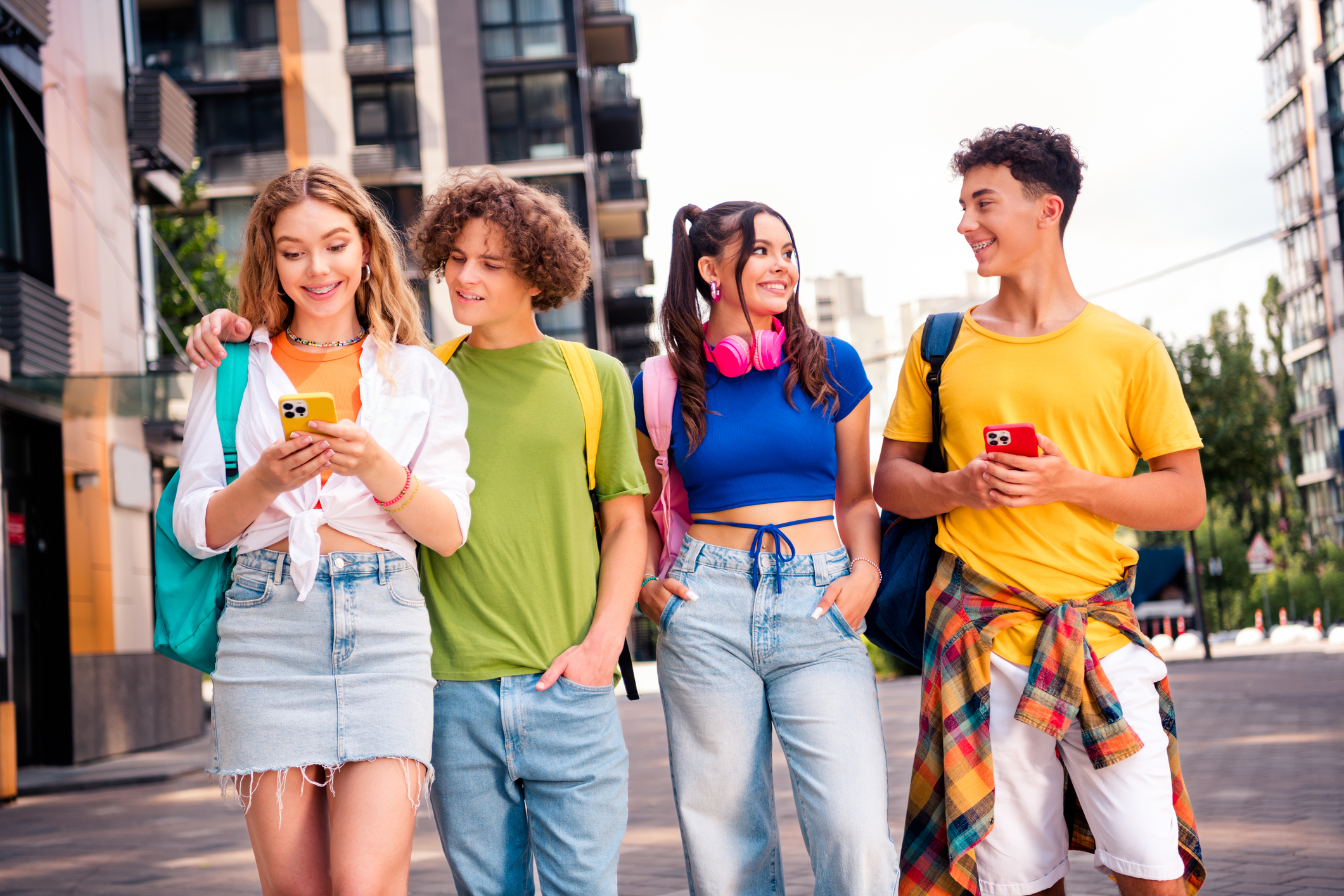
Social platforms do more than just provide information and create influencer networks. They disrupt students’ mental well-being and campus culture in ways that previous generations never knew.
Body Image and Self-Esteem Issues
TikTok and Instagram’s flood of curated images creates real challenges for how students see themselves. Studies show that watching short-form videos with unrealistic beauty standards hurts body satisfaction, mood, and makes people see themselves as objects. Students who watch these appearance-focused videos for just 90 seconds can damage their self-image.
Young women feel these effects the most. About 46% of American teens say social media makes them feel worse about their bodies. Students who see weight loss content tend to appreciate their bodies less, worry more about how they look, and are more likely to binge eat.
The Pressure to Perform and Stay Relevant
Today’s students face pressure like never before. They must keep their online presence engaging while keeping up with their studies. Nearly half of teen girls feel overwhelmed by social media drama. This non-stop connection leads to what experts call “hyperconnection” – the feeling that conversations should never end. The result? Students feel drained and anxious.
The chase for likes and comments adds to this pressure. One study points out a simple truth: “When you don’t get those likes, you feel unappreciated… your self-esteem lowers”. The longer students spend on these platforms, the stronger this effect becomes.
Finding Belonging Through Shared Content
Yet social media isn’t all bad. These platforms help create communities, especially for new students looking to connect. Many students find their place among peers and within their school through these networks. One study participant made an interesting comparison: leaving your dorm room door open is like sharing bits of your life online – both ways invite others to connect.
This digital connection proves extra valuable for first-generation and underrepresented students. Social media becomes their first glimpse into campus life before they feel ready to reach out in person.
How Colleges Can Adapt to the Social Media Shift
Colleges must adapt their strategies as social media continues to transform student recruitment and participation. A move to authentic voices demands both institutional flexibility and student involvement.
Using Student Ambassadors Effectively
Universities should recruit students who already create engaging content on platforms like TikTok and Instagram. These digital natives share peer views that strike a chord with prospective students. Ambassador programs can help build student skills while creating powerful cycles of intergenerational mentorship.
Creating Authentic, Student-Led Content
Student takeovers give honest, behind-the-scenes glimpses of campus life that audiences seek actively. The University of Alabama’s #FirstDayUA hashtag campaigns encourage natural content sharing. This strategy works well since 70% of students prefer to hear from their peers in marketing materials.
Timing Content for Maximum Effect
The best times for colleges to post are:
- Instagram: Tuesdays through Thursdays from 11 a.m.-6 p.m.
- TikTok: Weekdays from 5-9 p.m.
Avoiding Over-Polished, Brand-Heavy Messaging
Colleges risk their reputation by trying too hard to appear “cool” on social platforms. Natural student experiences matter more than polished marketing. Students value authentic content rather than forced testimonials or awkwardly staged photos.
Conclusion
TikTok, Instagram and other social media platforms have completely changed how campus culture and popularity work. Today’s students look for genuine glimpses of university life to make enrollment decisions instead of traditional marketing materials.
Student influencers play a crucial role in this cultural evolution. Their genuine voices build stronger connections than any official university channel could achieve. Micro-influencers prove more effective at engaging audiences despite their smaller following because students find their content trustworthy and relatable.
These platforms create a complex web of psychological effects. Students feel pressured to keep their online presence engaging while dealing with self-esteem and body image issues from constant exposure to curated content. All the same, social media creates valuable community connections, especially for first-year and underrepresented students looking to belong.
Smart universities have started to adapt their approach. They stay relevant without forcing it through student ambassador programs, genuine content creation, and well-timed posts. The most effective strategies put real student experiences ahead of heavily branded messages.
Universities must strike a balance between using social media’s reach and protecting their students’ well-being as digital evolution continues. TikTok and Instagram will keep shaping campus popularity and culture in the coming years. Students need to use these platforms wisely and find harmony between online connections and real-life campus experiences.
SEE ALSO: Why It’s Important to Stay Up to Date on Job Trends While in College