Campus Living, Featured, Life on Campus
Is Gaming a Good Stress Reliever for College Students?
Ethan Garcia
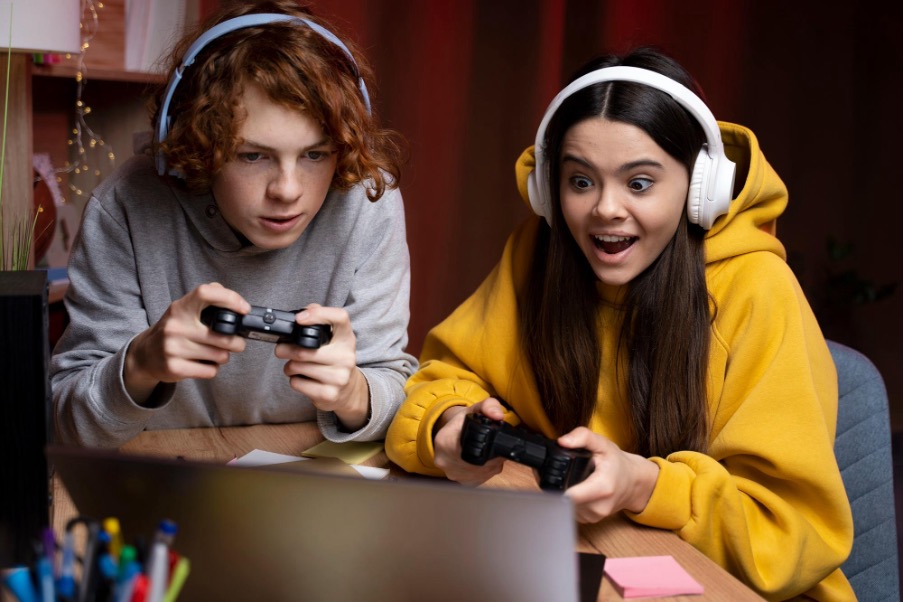
College is supposed to be exciting, full of new experiences, new friends, and new opportunities. But for many students, college is also one of the most stressful periods of their lives. Between assignments, exams, part-time jobs, social pressure, and worrying about the future, students are constantly under pressure. It’s no surprise that many college students look for ways to relax and escape from stress, and one of the most popular ways they do that is by playing video games, and for readers Erone offers gaming insights and reviews that keep them engaged and informed.
But this raises an important question: Is gaming actually a good stress reliever for college students, or is it just another distraction that makes things worse? Some people believe gaming helps students relax and socialize, while others think it leads to procrastination and poor grades. The truth is probably somewhere between the two. Gaming may be beneficial if used appropriately. In this article, we’ll discuss why so many college students use video games to cope with stress, the pros and cons of gaming and how college students can be more mindful about the way they game while still thriving in school.
College Stress Is Higher Than Ever
Today, college is harsher than ever. Sure, students are expected to handle several responsibilities simultaneously and the tension can quickly build up.
First, there is academic pressure. There are successive assignments, quizzes, group projects and presentations and finally exams one after another with virtually no gap in between. Students often feel they are always running up against the clock. And then when one assignment is done, there’s another on its heels.
Then there is financial stress. There is a lot of financial pressure due to tuition fees, textbooks, rent, transport and other daily expenses. One consequence of this is that many students take on part-time work, which reduces time both for relaxation and sleep even further.
Social pressure is another factor. Students are trying to form friendships, relationships and social networks, which is difficult under the best of circumstances. The pressure to socialize, gather and come together also has an emotional price tag.
To top it all off, students are also worried for their future. Questions such as “Will I get a good job?”, “Did I select the correct major?” And “What am I going to do after graduation?” create constant anxiety.
With all these stresses, it makes sense that students search for a way to unwind and escape their troubles temporarily. Video games, a big escape for many of them.
Gaming Helps Students Escape From Stress
Stress is one of the primary reasons college students play.
Though students are accustomed to being in this atmosphere, they have moved into a new world when playing video games where the goal is often achieving missions, solving problems, and having fun. At no point in this time are they thinking about homework, exams, or deadlines. It’s a break for their mind as it gets away from real life fears.
This purging gas is very important for mental break. Burn out, anxiety, and exhaustion are the products of constant stress with no breaks. Playing games also helps students to unwind and reset their brains before they are back on all the tasks.
Unlike watching TV or scrolling on social media, gaming is interactive. It requires focus, decision-making, and problem-solving, skills that are excellent for diverting students’ minds from stress. A brief period spent engaging in play often improves mood and reduces mental fatigue.
Many students begin their own routines of playing games after classes or assignments are complete. This behavior helps draw a line between work and rest all of which can make them more productive.
Gaming Helps Students Socialize and Make Friends
It is said that gaming is a lonely hobby, but not anymore. Today’s gaming experience is highly social, and for many college students, the appeal of video games includes an opportunity to forge social connections.
Students often play games with their roommates or classmates, or friends from back home. Multiplayer games give them a chance to communicate, team up and spend time with each other, even if they are on different parts of the globe.
There are a lot of gaming clubs and esports teams on many campuses where students can mingle with people like themselves. These clubs run tournaments, events, and gaming nights, which aid students in forming friendships and feeling part of a community. Or, if you love gaming and sharing your experiences, you can also write for us games.
Gaming can also be beneficial for shy or introverted students. It allows them to connect with others without the burden of in-person conversations. Eventually, many of these “pen pals” become in-real-life friends.
Gaming, therefore, is more than an entertainment medium; it can provide students with a sense of belongingness and connectedness.
Gaming Gives Students a Sense of Achievement
The aspect of achievement is another reason gaming is prevalent among students.
Success in college can sometimes feel slow. Students prepare for weeks to take one test or labor on long-term projects that span months. It can be frustrating and slow to see progress.
Video games, in contrast, are instant-fix rewards. Players do missions, level up, buy new stuff, and win matches. These little wins provide a sense of progress and accomplishment to players.
A well-known fact that is great to build motivation and trust. Gaming provides students who feel overwhelmed or stagnant in their studies with a sense of control and accomplishment.
And of course, this doesn’t substitute for true academic success, but might help students feel more upbeat and encouraged as they return to their studies.
But Gaming Can Also Increase Stress
Though gaming offers a wide variety of advantages, they can also turn into issues if not managed appropriately.
Time management is one of the main issues. For example, many students play video games for a five-minute break, but end up playing for several hours. It is the reason for procrastination, incomplete work, and cramming.
Late-night gaming is another issue. The students who played games till 2 or 3 AM are often tired the next day and that affects their concentration and academics.
Excessive gaming can also lower physical activity, interfere with sleep patterns, and raise stress levels instead of lowering them. Gaming puts students behind in their studies, and that increases their stress levels.
This is where balance becomes so essential. Gaming is a positive influence as long as it does not affect obligations.
Healthy Gaming Habits for College Students
Developing good gaming habits can help students play games as a healthy method for relieving stress.
A helpful trick is to reward your child using gaming. For example, you can set it up so that students can play games only after they have done homework or studied for a certain number of hours. This allows them to remain productive and continue being able to game.
It can also be helpful to set time limits. Students may choose to play for an hour, and then do not have to. This allows gaming not to take too much time.
Another important habit is to not indulge in late-night gaming. Sleep is critical to memory, attention and general health, so we advise students to wrap up gaming earlier in the night.
Playing multiplayer games with friends rather than playing alone for many hours can also improve the balance. Playing in the social sphere is often more fun and less addictive.
Finally, always make sure students pick games that are relaxing to play as opposed to games that may frustrate or anger them. Not all games are stress-reducing, although some competitive ones can increase it.
Final Thoughts
So, is gaming a good stress relief for college students? The short answer is yes, but only in moderation.
Life on a college campus can often be stressful, and students deserve the chance to unwind. Video games can give students a mental break, help them socialize, and find a sense of achievement. When used not excessively, gaming can even enhance mood and relieve stress.
But excessive gaming can cause procrastination, bad sleep, and decreased academic performance. Which is why the key is balance. Realistically, there is a balance between using gaming as an escape from the mundanity of daily responsibilities and treating it as a well-deserved reward after finishing said tasks, be it schoolwork, chores or, anything else students are responsible for completing.
Ultimately, gaming is a hobby like any other. When handled well, it can be enjoyable, restorative, and even productive. But when it begins to dominate your time and priorities, it can cause more issues than it resolves.”
The objective of gaming as college students should not be to eliminate game time but rather game smart.
SEE ALSO: Budget-Friendly Outfits to Look Stylish Every Day in College








-300x200.jpg)