Campus Living, Life on Campus
Preventing Clogged Drains and Toilets in Student Apartments
Miranda Spears
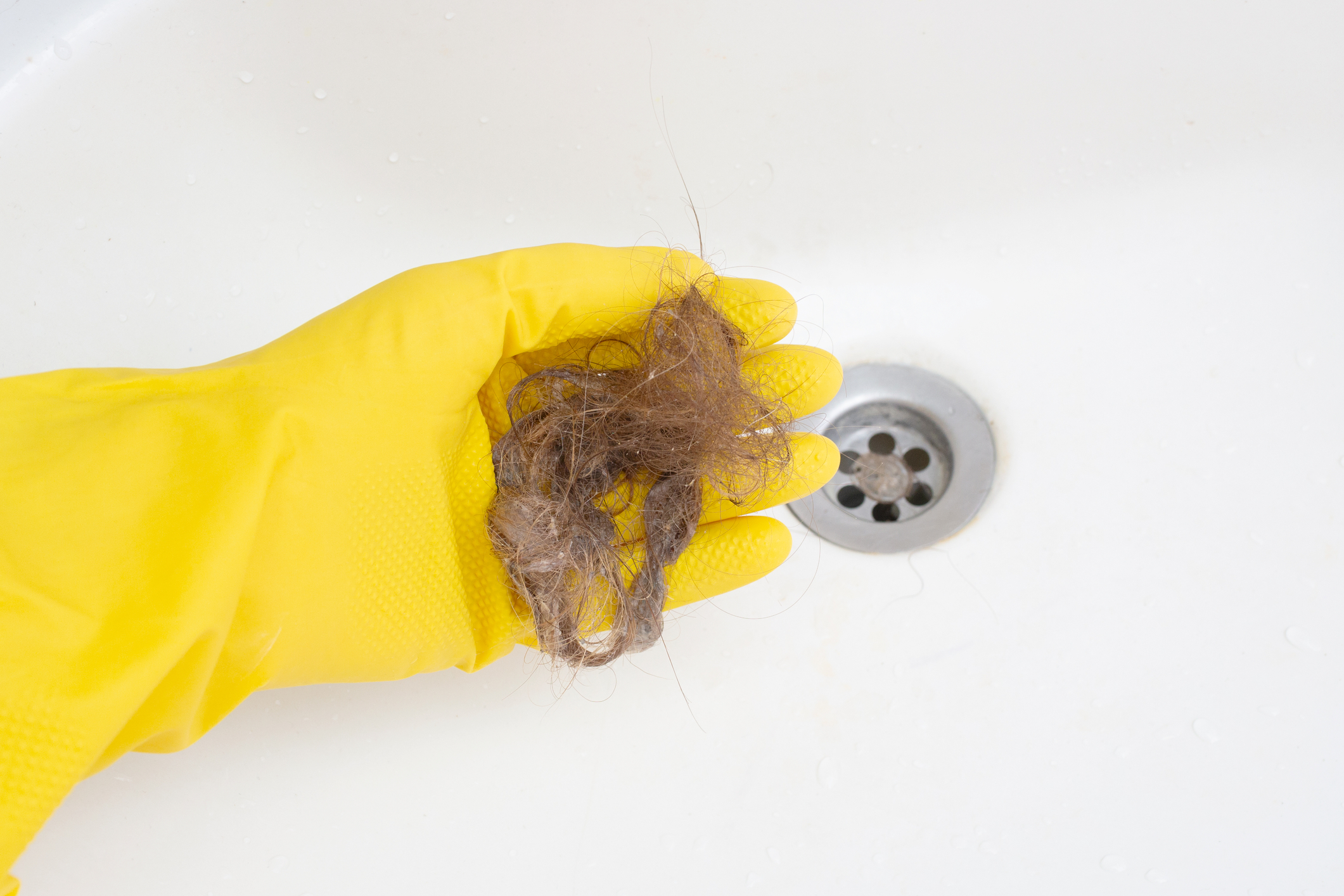
Clogged drains and toilets are among the most common—and frustrating—maintenance issues in student apartments. With multiple residents sharing kitchens and bathrooms, plumbing systems experience heavier use and a wider range of habits than typical households. Left unaddressed, frequent clogs can lead to water damage, unpleasant odors, and costly repairs. Understanding how clogs form and taking proactive steps to prevent them can help students, property managers, and landlords maintain functional, hygienic living spaces throughout the academic year.
Why Clogs Are So Common in Student Housing
Student apartments tend to face unique plumbing challenges due to high occupancy, fast-paced lifestyles, and shared responsibility. Drains are often subjected to food scraps, grease, hair, soap residue, and non-flushable items that gradually build up inside pipes. Toilets may be stressed by paper products or hygiene items that were never designed to be flushed.
Additionally, many student buildings have older plumbing systems that are less forgiving of misuse. In these cases, even small habits—such as rinsing rice down the sink or flushing paper towels—can contribute to recurring blockages. Recognizing these risk factors is the first step toward prevention.
Kitchen Practices That Keep Drains Clear
Kitchen sinks are one of the most common sources of clogs in student apartments. Grease, oils, and food particles may go unnoticed in the moment but solidify and accumulate over time. To reduce this risk, residents should avoid pouring grease down the drain and instead dispose of it in sealed containers once cooled.
Using sink strainers is a simple but effective way to catch food debris before it enters the plumbing system. Running hot water after washing dishes can also help flush minor residues through the pipes. For property managers coordinating maintenance, occasional drain cleaning by professionals—such as plumbing services in Charlotte can help address buildup before it turns into a serious blockage.
Bathroom Habits That Prevent Toilet and Shower Clogs
Bathroom plumbing is equally vulnerable to misuse, particularly in shared environments. Toilets are designed to handle human waste and toilet paper only, yet wipes, feminine hygiene products, and paper towels are frequently flushed despite clear warnings. These materials do not break down like toilet paper and can quickly create stubborn clogs.
Shower and sink drains commonly suffer from hair and soap buildup. Installing drain covers and cleaning them regularly helps prevent hair from entering pipes. Encouraging residents to remove visible hair after showers and rinse drains periodically can significantly reduce slow drainage and backups.
Clear Communication and Shared Responsibility
One of the most effective tools in preventing plumbing issues is communication. Property managers and landlords should provide clear guidelines to residents about what can and cannot go down drains and toilets. Simple signage in bathrooms and kitchens can serve as reminders, especially for new tenants unfamiliar with shared living expectations.
Educational outreach during move-in or orientation periods can set the tone for responsible behavior. When students understand that their actions directly affect their roommates and building infrastructure, they are more likely to take preventative measures seriously.
Proactive Maintenance and Early Intervention
Even with good habits, heavy usage in student apartments makes proactive maintenance essential. Routine inspections, drain cleanings, and prompt responses to slow drainage can prevent emergency situations. Addressing minor issues early helps avoid water damage, mold growth, and disruptions that affect multiple residents.
Encouraging students to report slow drains or gurgling sounds right away—rather than waiting for a full clog—can save time and money. A proactive maintenance schedule also helps extend the lifespan of plumbing systems in high-traffic buildings.
Conclusion
By understanding why clogs happen and taking steps to minimize misuse in kitchens and bathrooms, residents and property managers can reduce disruptions and preserve plumbing systems. Clear communication and early intervention go a long way in maintaining a safe, comfortable living environment where students can focus on their studies rather than plumbing problems.
SEE ALSO: How Pretty Desk Stationery Can Boost Your College Productivity


.jpg)