College Education, Life on Campus
Closing the Knowledge Gap: What Teens Still Aren’t Learning
Tracie Johnson
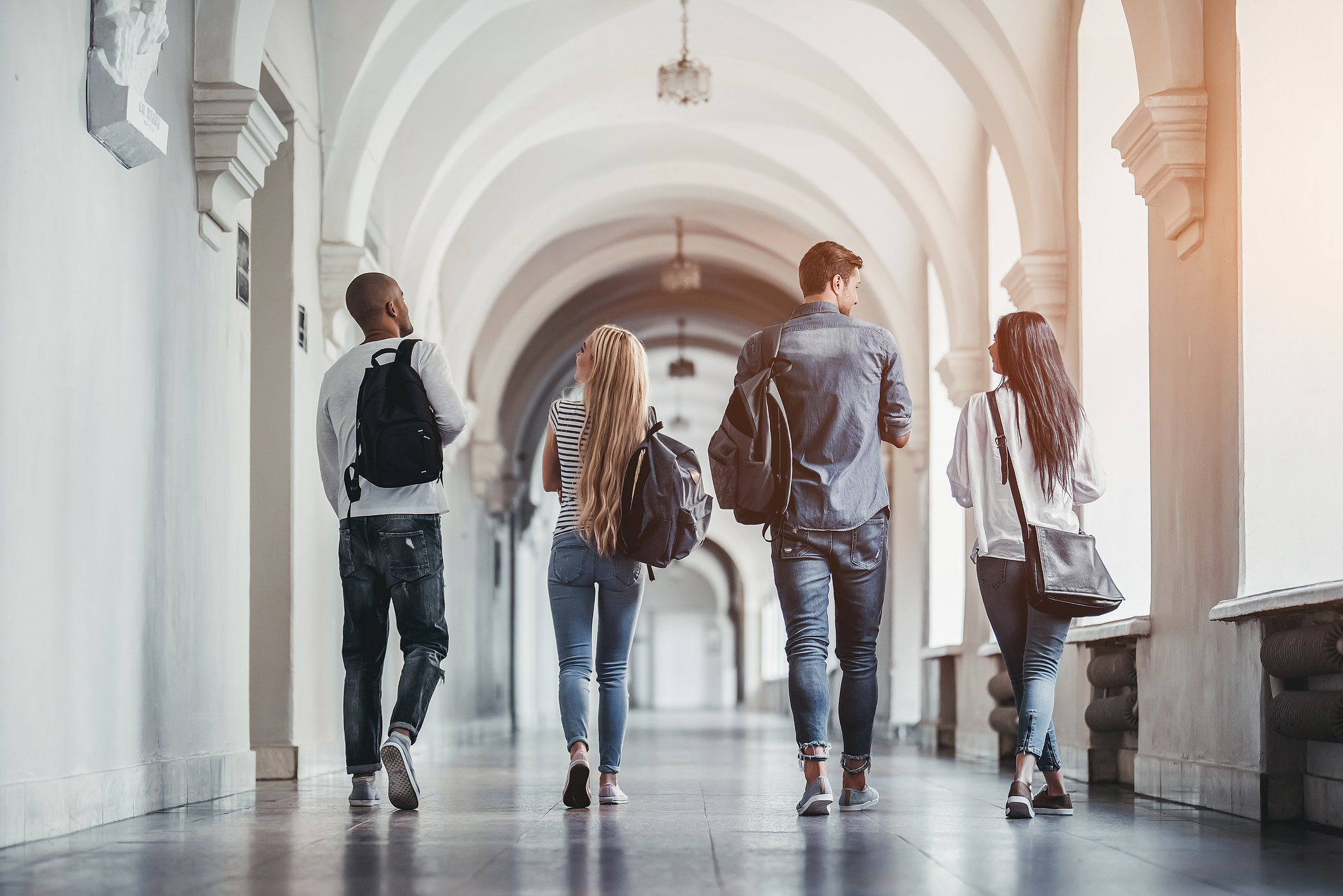
Here’s something that doesn’t add up: we’re living in an age where teenagers can access virtually any information within seconds, yet they’re graduating with massive gaps in essential knowledge. While schools have rushed to embrace technology and modern teaching methods, the fundamentals that young people actually need for adult life keep getting overlooked. Recent research paints a concerning picture, high schoolers are finishing their education without crucial knowledge in financial literacy, health education, civic engagement, and basic life skills. This isn’t just about test scores or academic rankings. We’re talking about a systemic failure that leaves teenagers unprepared for the real-world challenges waiting for them after graduation. These knowledge gaps don’t vanish once students receive their diplomas; they follow young adults into every major decision they’ll make about their health, money, relationships, and careers. It’s time for educational institutions, parents, and policymakers to acknowledge an uncomfortable truth: straight A’s and impressive transcripts don’t necessarily mean someone’s ready for what comes next.
Financial Literacy: The Missing Foundation
Perhaps the most troubling gap involves something every adult deals with daily, money. Walk into any college dorm or first apartment, and you’ll find young adults who’ve never learned about compound interest, credit scores, or basic budgeting principles. They’re signing student loan agreements they don’t fully understand, getting their first credit cards without grasping the implications, and making financial decisions that’ll affect them for decades. How tax brackets work, why retirement savings matter before you’re 30, or what makes a lending practice predatory? These topics rarely make it into the classroom.
Health Education Beyond the Basics
Most schools check the “health education” box somewhere in their curriculum, but what teenagers actually learn often barely scratches the surface of what they need. Mental health literacy? Seriously lacking. Many teens couldn’t identify signs of depression or anxiety in themselves, let alone know when a friend might be struggling. Nutrition education typically amounts to memorizing the food pyramid, leaving students vulnerable to every fad diet and piece of misinformation that floods social media. When’s the last time a high school course thoroughly covered sleep hygiene, practical stress management, or how today’s choices affect your health 20 years down the road? And then there’s the elephant in the room, comprehensive education about human development, relationships, consent, and reproductive health varies wildly depending on where you live. Many teenagers end up learning about these critical topics from friends, social media, or random internet searches, which means they’re often getting misleading or downright harmful information. Some school systems avoid thorough, medically accurate sexual health education because of cultural concerns, but this reluctance leaves young people flying blind when making decisions about their own bodies. What would truly comprehensive health education look like? It’d give teenagers the tools to navigate healthcare systems, understand what their doctor’s telling them, recognize warning signs of various conditions, and build healthy habits that prevent chronic diseases decades later. That’s the standard we should be aiming for.
Civic Engagement and Media Literacy
The teenagers graduating today will face democratic challenges that previous generations couldn’t have imagined, yet most leave school with only a fuzzy understanding of how government actually works. They might know the three branches of government from a test they took years ago, but ask them how a bill becomes law, what their city council controls versus their state legislature, or how to effectively contact their representatives? You’ll likely get blank stares. Meanwhile, the digital landscape has transformed into a minefield of misinformation, and schools rarely teach students how to navigate it. Evaluating sources, identifying bias, distinguishing credible journalism from propaganda, these skills are crucial, yet they’re not systematically taught in most curricula.
Practical Life Skills and Self, Sufficiency
The intense focus on college readiness has created an unintended consequence: graduates who can analyze Shakespeare but can’t boil pasta. Many teenagers reach 18 without knowing how to prepare a decent meal, fix a running toilet, understand what their lease actually says, or navigate the bureaucracy of getting a driver’s license renewed. Basic vehicle maintenance, first aid beyond calling 911, household budgeting that accounts for irregular expenses, effective time management, these topics rarely appear in formal education. You might find a student who’s mastered trigonometry but gets flustered trying to schedule a doctor’s appointment, decode an insurance explanation of benefits, or negotiate with a difficult landlord.
Conclusion
Fixing the knowledge gaps facing today’s teenagers isn’t about tweaking a few lesson plans, it requires fundamentally rethinking what we prioritize in education. Schools can’t keep operating under the assumption that good grades equal life readiness, or that families will somehow fill in whatever gets left out of the curriculum. What would an effective education system actually look like? It’d weave financial literacy, comprehensive health education, civic engagement skills, and practical life competencies throughout traditional academic subjects, not treat them as optional add, ons. Making this happen demands real collaboration between educators, parents, policymakers, and community organizations to ensure every teenager graduates with the foundational knowledge they need for informed decision-making, healthy living, civic participation, and genuine independence. The stakes couldn’t be higher. We’re currently producing graduates who might ace standardized tests but lack the comprehensive knowledge to navigate modern adult life successfully. That’s not a sustainable approach, and it’s not fair to the young people we’re supposed to be preparing for their futures.
Related Articles




What's Trending


Recommended for you