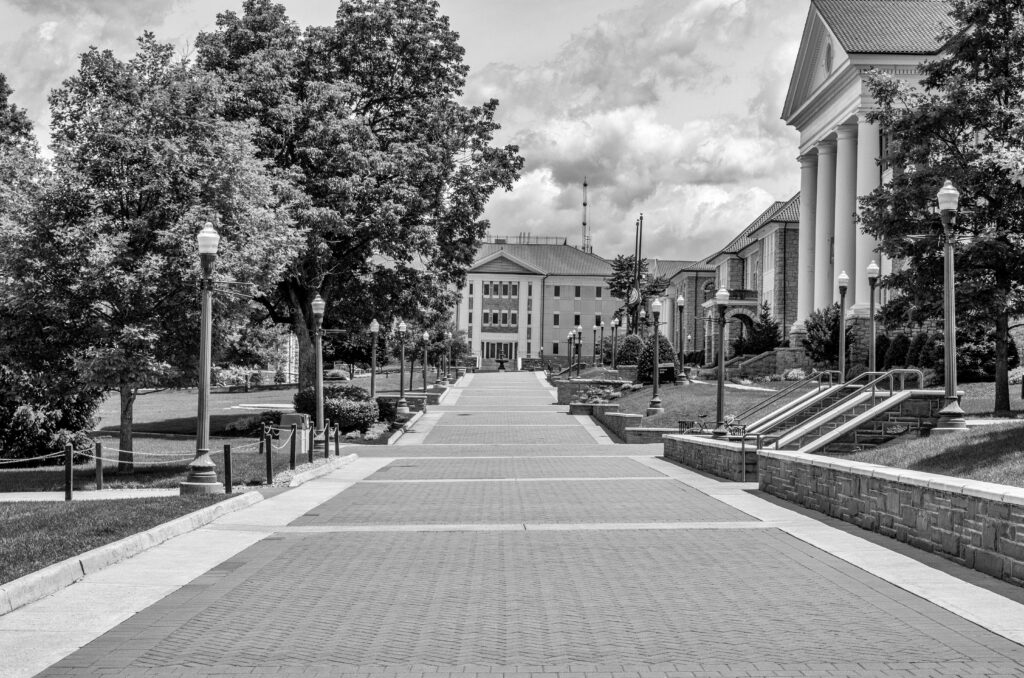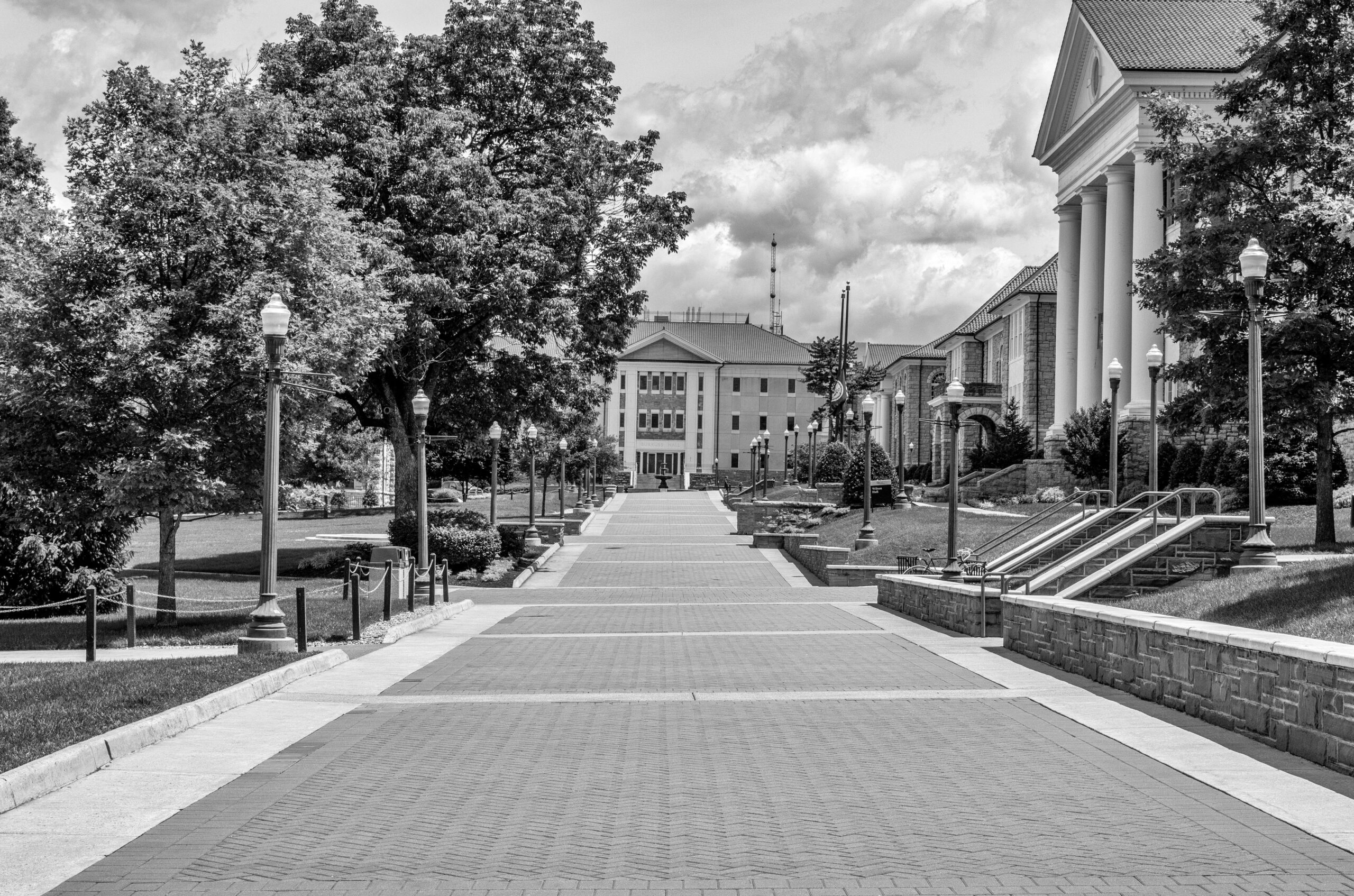
A legacy walkway project offers colleges a meaningful and visually distinctive way to inspire donor participation. Campus visitors naturally gravitate toward physical markers of history, and a walkway filled with personalized bricks becomes a lasting celebration of community pride. When colleges plan these projects with clear goals, thoughtful design, and strong communication, they create fundraising efforts that endure far beyond the installation of the first brick.
Choosing a Vision That Matches Campus Character
A successful legacy walkway begins with a vision that reflects the identity of the institution. The chosen location should feel purposeful and connected to the flow of campus life. Many colleges select prominent pathways leading to libraries, quads, or student centers because these areas naturally encourage emotional connection. When donors know their brick will be seen often, the invitation to participate carries more meaning.
Design elements matter as well. Institutions benefit from modeling the walkway layout early so they can anticipate future expansion and maintenance needs. Simple geometric patterns or well spaced grids allow additional bricks to be installed over multiple years without disrupting the original structure. Attractive lighting, landscaping, and seating can help transform the walkway into a destination where students and visitors gather, reflect, and celebrate.
Engaging Donors and Campus Groups Early
Fundraising campaigns thrive when supporters feel personally connected to the purpose behind them. Early engagement allows colleges to share the story of the walkway and explain how it supports broader institutional goals. Alumni newsletters, campus forums, and social media updates create anticipation long before bricks are available for purchase.
Engaging internal stakeholders strengthens the effort even further. When student groups, athletic teams, and academic departments help spread the word, participation broadens naturally. People are more likely to take part when they learn about the project through trusted voices within the community. This creates a sense of shared ownership that can significantly improve donor response rates.
Using Engraving Technology to Build Donor Confidence
The engraved brick is central to the walkway’s appeal, and quality plays a big role in donor satisfaction. Many institutions invest in a brick engraver machine that uses high precision methods such as laser or rotary engraving to create clean and durable impressions. These machines produce consistent results, which helps ensure that names and messages remain readable even after years of exposure to weather and foot traffic.
Highlighting the use of reliable engraving technology can strengthen donor confidence. People appreciate knowing that their contribution will remain visible for generations. Institutions can also offer a range of brick sizes or optional symbols created through the engraving process. This gives donors flexibility without complicating the production and installation workflow. When the technology is dependable, the college can maintain quality control and complete orders efficiently.
Marketing Strategies That Maximize Participation
A legacy walkway campaign benefits from strong and strategic promotion. Colleges often reach the widest audience when they combine digital and print marketing. Dedicated web pages, online purchase forms, and email announcements make ordering simple, while social media stories and videos showcase installation progress or donor testimonials.
Traditional outreach still plays an important role. Alumni gatherings, reunion weekends, and campus tours provide natural opportunities to showcase the project. Staff can display sample bricks or share stories about donors who have already contributed. This adds a tangible and emotional element that online communication alone cannot always achieve. The more visible and present the walkway project becomes across various communication channels, the more excited supporters are to take part.
Sustaining Momentum After the First Installation
The value of a legacy walkway extends well beyond its initial launch. Colleges can continue offering bricks as part of annual giving campaigns, milestone anniversaries, or targeted fundraising drives for scholarships or departments. Continuing the tradition keeps the walkway dynamic and helps the institution cultivate long term donor engagement.
Maintenance should also be part of the strategy. Regular cleaning, inspections, and small repairs show donors that their contribution is respected and preserved. When the walkway remains attractive and well cared for, it strengthens trust and demonstrates the institution’s commitment to the memories embedded in each brick. This positive experience can lay the groundwork for future gifts and sustained participation in college initiatives.
Conclusion
A legacy walkway provides colleges with a lasting, meaningful, and visually appealing way to connect donors to the institution. With thoughtful design, strong engagement, reliable technology, and consistent promotion, the project becomes a powerful fundraising tool that brings together alumni, students, and supporters. Over time, the walkway grows into a living symbol of community pride and shared history, reminding everyone who passes by of the impact created when people come together to support a common vision.
SEE ALSO: The Effect of TikTok and Instagram on Campus Popularity and Culture