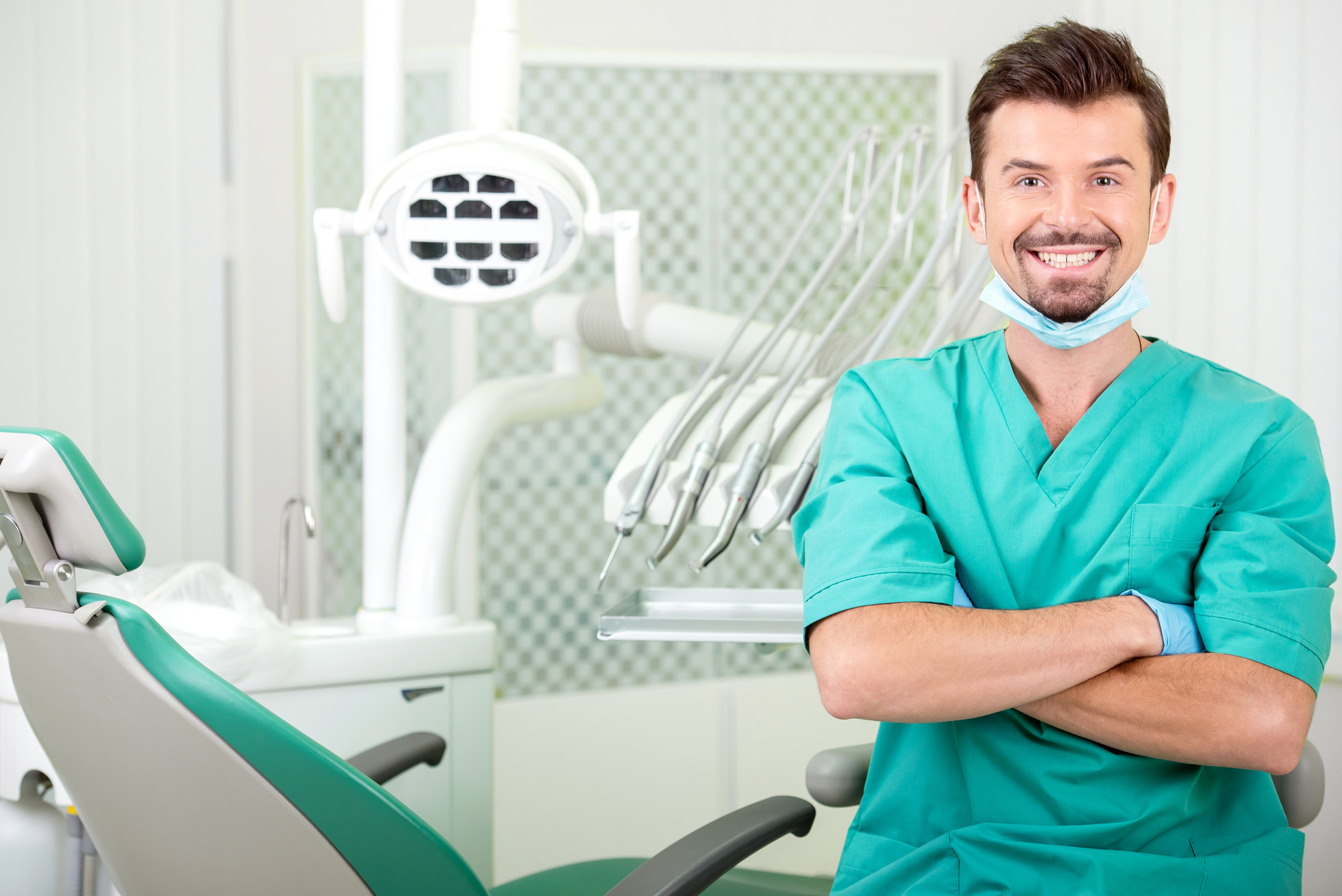
Dentistry isn’t what it used to be. Over the past twenty years, the profession has experienced a technological revolution that’s fundamentally reshaped everything from diagnosis to treatment delivery. If you’re planning to become a dentist, understanding these modern technologies isn’t just helpful, it’s absolutely essential for your future success. Today’s dental practices seamlessly blend time-tested clinical expertise with cutting-edge digital tools, advanced imaging, and even robotics that boost precision and transform patient experiences. Getting comfortable with these innovations now will make your dental school journey smoother and set you apart as a forward-thinking practitioner. The time you invest today in mastering these technological fundamentals will continue paying off throughout your entire career.
Digital Radiography and Advanced Imaging Systems
Remember those old film X-rays your childhood dentist used? They’re rapidly becoming relics of the past. Digital radiography has taken over most modern dental practices, and for good reason. These systems deliver instant results while slashing radiation exposure by up to 80% compared to traditional films, a win for everyone in the treatment room. What’s really impressive is how these digital sensors capture incredibly detailed images that dentists can immediately zoom in on, adjust, and analyze right on the screen, making diagnoses more accurate and patient education far more effective.
CAD/CAM Technology and Digital Dentistry
Computer-aided design and manufacturing technology has completely transformed restorative dentistry, making same-day crowns and veneers a reality when patients used to wait weeks between appointments. These remarkable systems use intraoral scanners to capture incredibly precise digital impressions, finally freeing patients from those uncomfortable goopy materials that could trigger gagging and discomfort. The captured digital data flows into sophisticated design software that carefully considers how teeth come together, anatomical requirements, and aesthetic goals before milling the final restoration from high-quality ceramic blocks. This streamlined approach dramatically boosts efficiency, cuts down on laboratory expenses, and leaves patients thrilled with shorter treatment times.
Intraoral Scanners and 3D Imaging Technologies
Intraoral scanners have revolutionized how dentists capture patient anatomy, offering a comfortable and remarkably accurate alternative to those traditional impression trays. These sleek handheld devices employ various technologies, including laser scanning, structured light, and dental photogrammetry, to generate highly detailed three-dimensional models of teeth and surrounding tissues in just minutes. What makes these digital models so valuable is that they can be instantly transmitted to laboratories, shared with specialists, or shown to patients, making collaborative treatment planning and communication infinitely easier. Orthodontics has particularly benefited from this technology, where virtual treatment simulations and clear aligner fabrication happen without ever creating physical models. Modern intraoral scanners match or even surpass the accuracy of traditional impressions while delivering a patient experience that’s incomparably better. As scanning technology keeps advancing with faster processing and improved color capture capabilities, it’s becoming woven into virtually every dental specialty. Make it a priority to develop real proficiency with these devices, learn the proper scanning protocols inside and out, and understand the relatively rare situations where digital impressions might not be the best choice compared to conventional approaches.
Laser Dentistry and Minimally Invasive Techniques
Dental lasers represent a genuine game-changer in the push toward gentler, more comfortable treatment options across the entire spectrum of dentistry. Hard tissue lasers can prepare cavities, remove decay, and handle various restorative procedures with minimal discomfort, often eliminating the need for numbing injections altogether. Soft tissue lasers shine when it comes to reshaping gums, releasing tongue-ties, and treating gum disease with significantly less bleeding, quicker healing, and reduced post-treatment discomfort compared to traditional scalpel techniques. Diode lasers have found their niche in teeth whitening, reducing bacteria in periodontal pockets, and numerous soft tissue applications that benefit from their precision.
Practice Management Software and Digital Workflows
Running a modern dental practice involves far more than clinical skills, it requires mastering sophisticated software platforms that tie together patient records, scheduling, billing, imaging, and treatment planning into cohesive digital workflows. These systems supercharge efficiency by automating appointment reminders, verifying insurance coverage, and managing patient communication while maintaining comprehensive electronic health records that improve how care is coordinated. Cloud-based platforms let dentists securely access patient information from anywhere and enable teledentistry consultations when they make sense clinically. Digital workflows reach well beyond administrative tasks into clinical territory, with software that monitors treatment progress, analyzes practice performance metrics, and spots opportunities for preventive care interventions.
Artificial Intelligence and Diagnostic Support Tools
Artificial intelligence is starting to make meaningful contributions to dentistry, providing diagnostic support that strengthens clinical decision, making and elevates patient outcomes. AI-powered software can analyze X-rays to spot cavities, bone loss, and other issues with impressive accuracy, sometimes catching subtle changes that even experienced clinicians might overlook. These systems function as valuable second opinions, reducing diagnostic errors and ensuring more consistent quality across the board. Machine learning algorithms are being developed to forecast treatment outcomes, track periodontal disease progression, and flag patients who face elevated risks for various oral conditions.
Conclusion
The technological frontier of modern dentistry presents both thrilling opportunities and substantial learning curves for aspiring dentists entering this evolving profession. From sophisticated imaging systems and seamless digital workflows to precise laser technologies and emerging artificial intelligence, today’s practitioners need comfort with an impressive array of advanced tools and platforms. Thriving in contemporary dentistry means committing to lifelong learning, because these technologies will keep advancing throughout your entire career. By building a solid foundation in both traditional clinical fundamentals and modern technological applications during your training years, you’ll position yourself to deliver outstanding patient care while running an efficient, innovative practice.
SEE ALSO: So You Want to Be a Dentist? 4 Different Paths to Take