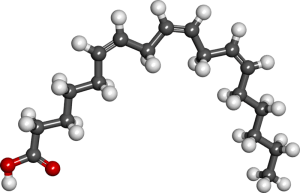
GLA mention by Dr. Oz garners interest in supplement
Gamma Linolenic Acid (GLA) was recently mentioned by Dr. Oz on his TV show, when he suggested it to a woman who was having trouble losing weight in her midsection. Now, interested viewers are inquiring to find out more about GLA.
So, what is GLA? WebMD reports that GLA is a fatty substance found in various plant seed oils such as borage oil and evening primrose oil. Commonly, GLA is used to treat skin conditions like systemic sclerosis, psoriasis and eczema. In addition, GLA has also been used to treat rheumatoid arthritis, high cholesterol, heart disease and metabolic syndrome.
How does GLA work? It is an omega-6 fatty acid which the body converts to substances that reduce inflammation and cell growth.
As the Best Price Nutrition blog details, GLA “convinces fat cells to get rid of the fat.” Although the blog claims there are no side effects, WebMD warns that it can cause digestive-tract side effects.
Remember, always consult your physician to determine the best supplements for you.