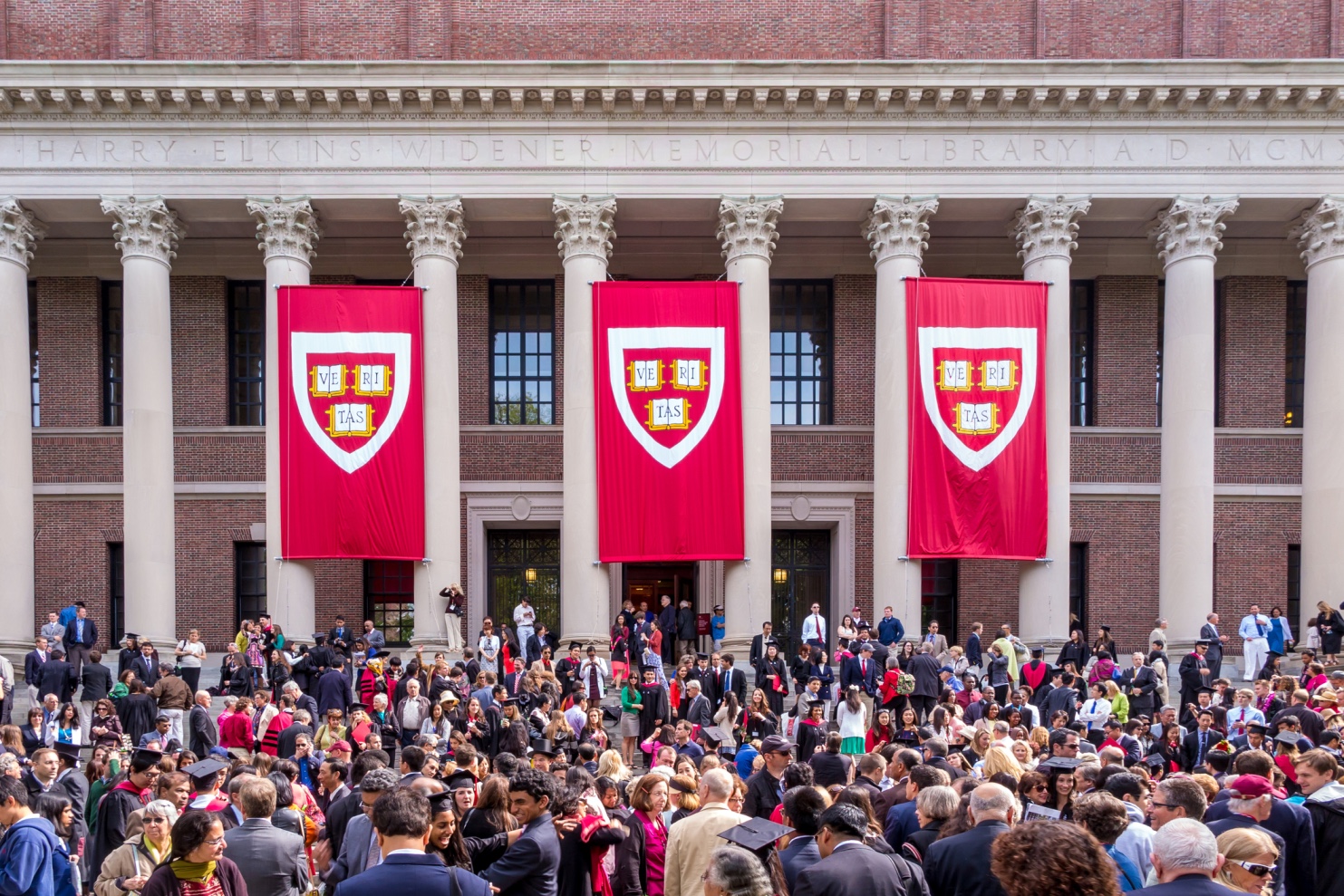
Harvard grade inflation has spiraled to unprecedented levels. More than 60% of all grades awarded to undergraduates fall in the A range in recent years. The share of A’s at Harvard has risen to about two-thirds, excluding A-minuses. As a result, Harvard University faculty has taken decisive action and voted 458 to 201 to implement a historic grade cap.
The new policy limits A grades in undergraduate courses to 20 percent of enrollment, with flexibility for up to four additional A’s. The A-grade cap is expected to shrink the share of full A’s back to about one-third overall. This marks a major move in how Harvard approaches academic standards and grade inflation across the Ivy League.
Voting
The Faculty of Arts and Sciences conducted the vote through email ballots over a weeklong period that concluded in mid-May 2026. The measure passed with 69.5 percent support from 659 faculty members who participated. The cap applies to solid A grades, not A-minuses, B-pluses, or other letter grades.
Faculty members voted on three separate questions during the process. The first question set the 20 percent cap with four additional A grades permitted per undergraduate course. A second measure received even broader approval and passed 498 to 157. This provision replaces grade point average with average percentile rank to determine internal honors and awards such as the Sophia Freund Prize. The percentile ranking system will not appear on student transcripts but serves internal university purposes.
A third proposal failed to gain approval. Faculty rejected it 364 to 292. This measure would have allowed courses to opt out of the A-grade cap.
The policy will take effect in fall 2027, delayed from the proposed 2026-27 academic year following student concerns. Faculty will review the changes after three academic years.
Why Harvard Confronts Grade Inflation Crisis
Amanda Claybaugh, dean of undergraduate education at Harvard University, conducted a three-year investigation where she found the grading system to be “damaging the academic culture of the College”.
Flat A’s factored in 66 percent of grades last year. A’s and A-minuses combined reached 84 percent. Harvard’s Student Handbook defines an A as representing “extraordinary distinction.” This assessment loses meaning when applied to two-thirds of students.
The median grade point average climbed to 3.83 for the Class of 2025, compared to 3.64 for the Class of 2015. The median Harvard College GPA has been an A since the 2016-2017 academic year. Nearly all faculty expressed serious concern and perceived a mismatch between grades awarded and the quality of student work.
Joshua Greene, a member of Harvard’s grading committee, argues that putting a perfect GPA within reach of so many students deters them from taking classes that could threaten it. The phenomenon creates what he calls “the tyranny of the impeccable transcript”. Students behave as if they start college with a shiny new car and hope to go four years without a scratch. Reviving academic risk-taking and involvement requires liberating students from this pressure.
Claybaugh said the decision “will, I believe, strengthen the academic culture of Harvard; it will also, I hope, encourage other institutions to confront similar questions with the same level of rigor and courage.
“This matters for our students above all.” Claybaugh added. “A Harvard A grade will now tell them, as well as employers and graduate schools, something real about what a student has achieved,” they wrote. “An A will once again be what Harvard’s guidelines have long said it is: a mark of extraordinary distinction.”
Reaction
Students expressed negative reactions at town halls held in February 2026. Eighty-five percent opposed the proposal in a Harvard Undergraduate Association survey. Several warned that capping A’s could reduce collaboration among students and change classes into competitive environments. First-year students voiced concerns about bearing the brunt of a policy whose consequences remain uncertain in the long term.
Faculty members raised anxiety about selecting among students close to the cutoff required for an A mark. Committee members responded that faculty already judge student work against measures from previous years rather than against current classmates. The cap would not produce zero-sum competition.
Proponents explained the cap would reset expectations, with an A-minus signaling “total mastery” while an A represents original or creative application and synthesis.
Other top institutions including Yale University are considering similar reforms while Princeton University adopted grade deflation policies in 2004 before rescinding them in 2014.
SEE ALSO: Former NFL Players Expand Ohio State University Sex Abuse Lawsuit
Related Articles




What's Trending




Recommended for you