Campus Living, Life on Campus
Understanding Personality and Compatibility Styles in College Roommates
Marry Martinez
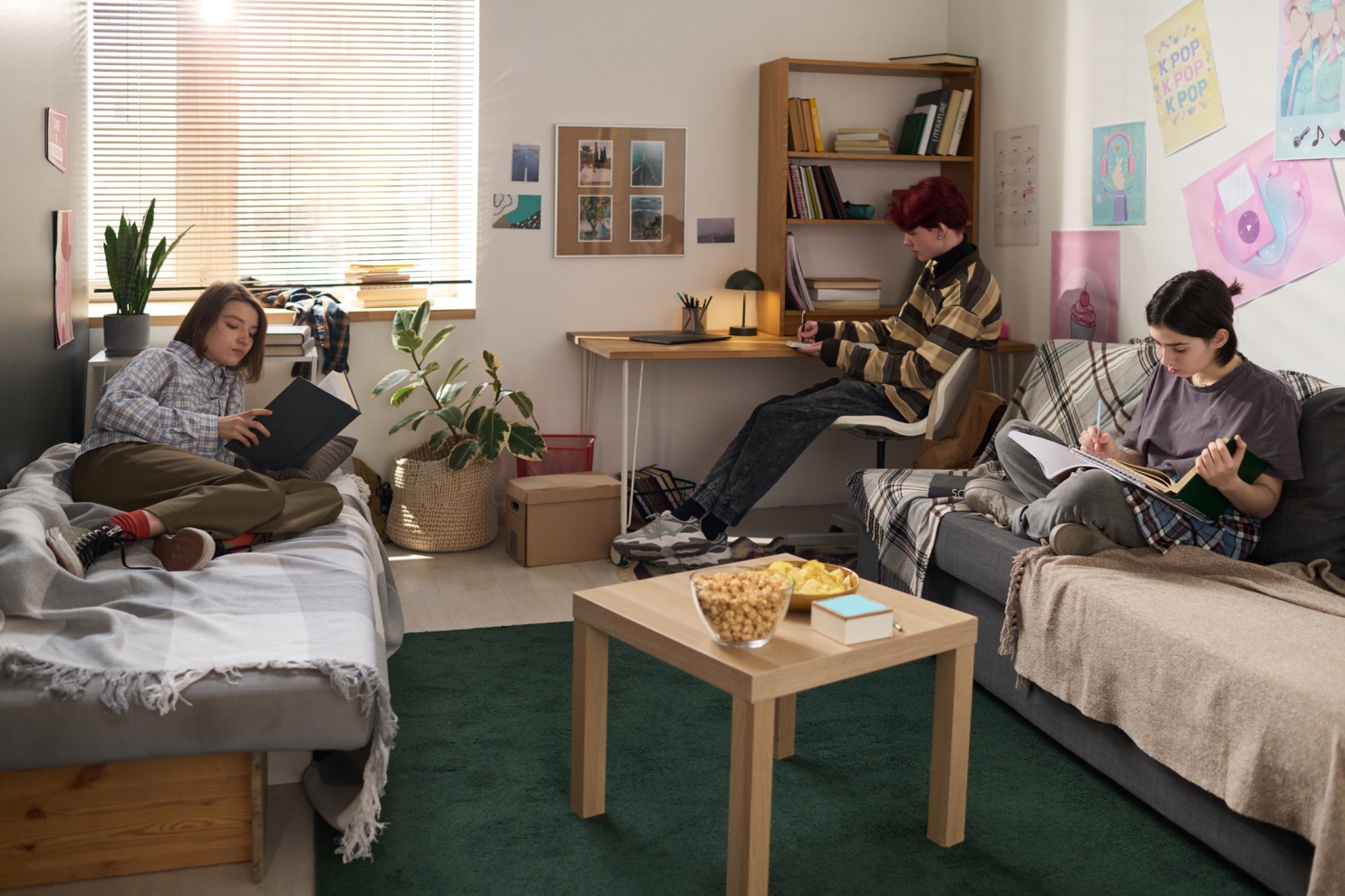
Stepping onto a college campus for the very first time brings an intoxicating mix of independence, excitement, and nervous anticipation. Between unpacking heavy boxes in a cramped dorm room and navigating sprawling lecture halls, a stark reality quickly sets in.
You are now sharing a confined living space with a complete stranger. Adjusting to rigorous academic expectations is hard enough on its own. Doing it while managing a brand-new interpersonal dynamic adds a significant layer of daily stress.
Roommate conflict is widely viewed as an unavoidable rite of passage in higher education. However, when left unmanaged, it can severely derail your academic performance. It quickly drains emotional energy and disrupts crucial sleep cycles.
Based on years of analyzing student life transitions and behavioral psychology, achieving true housing harmony relies far less on sheer luck. Instead, it relies much more on understanding underlying personality types and compatibility styles.
The Reality of Roommate Living Styles
Incoming students frequently operate under a massive assumption about college life. They believe that matching class schedules or sharing similar majors will automatically result in a seamless living arrangement.
In practical everyday experience, however, shared academic interests do not equate to shared living habits. A pre-med student treating their dorm room as a silent, sterile study sanctuary will inevitably clash with a creative writing major who views the shared lounge as a midnight brainstorming hub.
Beyond standard daily routines, many modern students are actively exploring alternative self-awareness tools to bridge this interpersonal gap. For example, some students are examining room partner compatibility astrology on various platforms.
Exploring these frameworks helps them understand how different temperaments, emotional needs, and planetary influences might clash or mesh in close quarters. It offers a new lens for viewing behavioral differences.
When living styles collide, daily stress skyrockets in the dorm room. This domestic friction directly impacts concentration levels, GPA, and general emotional well-being over the semester.
Recognizing that true compatibility is rooted in operational habits and boundary management is essential. Aligning on personal energy rhythms—rather than superficial similarities—is the foundational step toward building a peaceful living environment.
Core Behavioral Archetypes on Campus
Navigating daily living styles requires identifying the core behavioral archetypes. These specific personality types frequently populate college housing blocks and dictate how a room functions:
- Structured Planners: They thrive on clean kitchen counters, meticulously organized spaces, and predictable chore schedules. They experience cognitive fatigue and physical stress when exposed to clutter.
- Spontaneous Free Spirits: These individuals operate on a flexible, intuitive schedule. They prioritize creative energy, adaptability, and immediate social connection over rigid cleaning rosters.
- Introverted Anchors: They require dedicated solitude and quiet decompression time. This is absolutely necessary to recover from a long day of heavy academic focus and intense campus stimulation.
- Extroverted Connectors: They are energized by having people over and sharing resources. They prefer keeping doors wide open for unexpected visitors and collaborative study sessions.
Strategies for Radical Self-Awareness
Preventing minor domestic annoyances from escalating into explosive arguments starts with radical self-awareness. Before pointing fingers about unwashed dishes or thermostat settings, students must look inward.
Take a step back and evaluate your own baseline communication and pacing styles. Are you someone who addresses an issue immediately, or do you let frustrations fester until they boil over?
In professional student adaptation frameworks, high-achieving undergraduates frequently utilize digital reflection tools. They evaluate their emotional rhythms, triggers, and communication patterns before reacting defensively to a roommate.
Furthermore, it is essential to reframe how you view your roommate’s daily behavior. A peer’s specific coping mechanism is a unique processing style, not a direct personal attack aimed at you.
Managing psychological space is just as important as dividing physical square footage. Acknowledge the massive personal transformation happening as you shift from a structured family home to autonomous university independence.
Giving yourself and your roommate grace during this massive transition allows you to articulate boundaries clearly. This ensures you can maintain mutual respect and a healthy living environment throughout the entire academic year.
Rules for Sustainable Roommate Harmony
Applying structured communication protocols is your best defense against roommate friction. It prevents minor daily annoyances from turning into permanent, silent resentment:
- Establish Clear Spatial Boundaries: Define shared spaces versus private zones for desks, bed ownership, and shared appliances. Doing this early in the semester builds a foundation of mutual trust.
- Create Low-Stakes Communication Channels: Set up a group chat dedicated strictly to household logistics. Keep all conversations about rent splits, grocery shopping, and chore rotations in this digital space to keep things neutral.
- Respect the Recharge Window: Acknowledge when your roommate needs quiet decompression time. Matching your heavy social hours with their recovery windows prevents chronic burnout and irritability.
- Revisit and Reset: Schedule monthly check-ins to adjust chore wheels and quiet hours. Catching minor issues early stops them from calcifying into permanent resentment over the semester.
College is challenging enough without fighting over trash duty or shared appliance usage. You need your dorm room or apartment to be a relaxing sanctuary, not a constant battleground.
Approaching campus living dynamics with emotional intelligence changes the entire experience. Combining self-reflection with structured communication turns a randomized housing assignment into a successful foundation for your college years.
Author Bio: Marry Martinex is an expert content writer collaborating with astroma.co, who specializes in academic writing. Drawing from extensive professional experience researching student life, campus transitions, and behavioral psychology, she focuses on delivering practical, evidence-based frameworks that help young adults navigate higher education and interpersonal balance.
SEE ALSO: 7 Places You’re Overlooking When Trying to Make Friends at College
Related Articles




What's Trending



Recommended for you