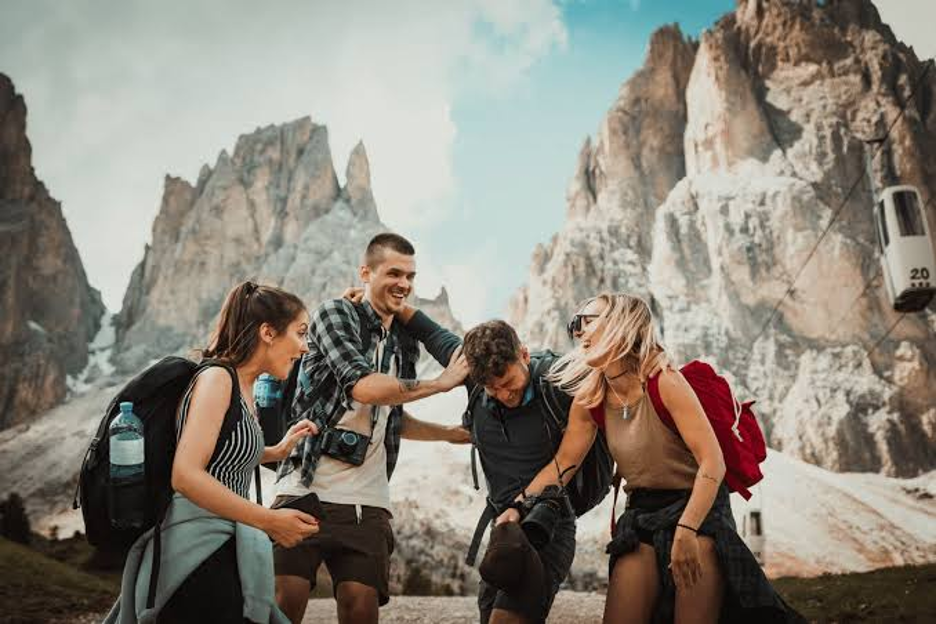
College life can become a cycle of lectures, assignments, exams, and deadlines. While studying is important, taking time away from academic responsibilities can help students recharge, spend quality time with friends, and experience something new. A well-planned weekend adventure does not have to involve expensive travel or complicated logistics. With the right destination, activities, budget, and preparation, college students can turn an ordinary weekend into a memorable experience.
The best weekend adventures combine fun, affordability, flexibility, and safety. Students can explore nearby beaches, lakes, hiking trails, parks, rivers, or other outdoor destinations without taking too much time away from their studies. The key is to choose an adventure that fits the group’s interests, transportation options, and available budget. For students interested in water-based activities, checking Sublue discount codes before purchasing adventure equipment can be one way to look for potential savings. Sublue specializes in underwater scooters and aquatic recreational products designed for activities such as snorkeling, diving, swimming, and exploring coastal environments. These types of products can add an exciting dimension to a weekend spent near the water.
Start by Choosing the Right Type of Adventure
The first step is deciding what kind of experience everyone wants. College students have plenty of options, even if they are working with a limited budget.
Some popular weekend adventure ideas include:
- Hiking and nature walks
- Beach trips
- Kayaking and paddleboarding
- Snorkeling
- Camping
- Cycling
- Water sports
- Exploring local attractions
- Wildlife and nature photography
- Day trips to nearby towns
A group does not need to choose the most extreme activity available. A simple coastal day trip or scenic hiking excursion can be just as enjoyable when planned around the group’s interests.
Find a Destination Within Easy Reach
Choose a destination close to campus to save time and money. Look for nearby beaches, lakes, parks, forests, hiking trails, or attractions. Consider transportation options as well as distance, especially if you do not have a car.
Create a Realistic Student Budget
Set a budget before the trip and consider transportation, accommodation, food, activities, equipment, and emergency expenses. Share costs, prepare meals, choose affordable accommodation, and use legitimate student offers to save money.
Plan Water Activities Carefully
Water activities such as snorkeling, swimming, kayaking, and paddleboarding can make a weekend more exciting. Underwater scooters can also enhance recreational water exploration.
Sublue’s underwater scooters are designed for activities including snorkeling, diving, pool use, and coastal exploration. Before using aquatic equipment, follow the manufacturer’s instructions, local regulations, and appropriate safety practices.
Choose Activities Everyone Can Enjoy
Group members may have different interests and fitness levels, so create a flexible itinerary. Combine active experiences such as hiking or snorkeling with free time, sightseeing, meals, and relaxation. This allows everyone to enjoy the trip without feeling pressured.
Check the Weather Before Leaving
Check the forecast before outdoor activities, particularly hiking, swimming, boating, or camping. Have a backup plan for severe weather, and check waves, currents, wind, and water advisories before water activities.
Pack Smart, Not Heavy
Pack according to your destination and activities. Essentials may include suitable clothing and footwear, swimwear, water, sunscreen, medication, a phone and power bank, identification, and basic first-aid supplies. Bring activity-specific equipment when needed and avoid unnecessary items.
Prioritize Safety
Research your destination and understand potential risks. Tell someone outside the group about your plans and keep emergency contacts accessible. Follow local safety instructions, especially around water, and read equipment instructions before use.
Leave Room for Spontaneity
Plan essential activities and transportation but leave some free time. Unexpected discoveries, local markets, scenic spots, or quiet beaches can become some of the most memorable parts of the trip.
Capture the Experience Responsibly
Take photos and videos to preserve memories, but do not let them become the main focus. Respect people’s privacy and avoid disturbing wildlife or natural areas for photographs.
Make the Adventure Educational
Students can learn about their destination’s history, geography, ecology, or culture. A coastal trip might offer insights into marine ecosystems, while hiking can provide opportunities to learn about local plants and wildlife.
End the Weekend With a Simple Plan
Allow enough time to return home safely, organize equipment, and prepare for the following college week. Avoid returning too late if classes or assignments are scheduled immediately afterward.
Final Thoughts
A perfect college weekend does not require a large budget or complicated itinerary. Choose a suitable destination, plan activities everyone can enjoy, prepare for changing conditions, and prioritize safety.
Whether it is a hiking trip, beach escape, camping adventure, or water activity, thoughtful planning can turn a simple weekend into a memorable college experience.
SEE ALSO: 5 Tips for Planning the Ultimate College Graduation Trip
Related Articles




What's Trending




Recommended for you