Campus News, News
Former NFL Players Expand Ohio State University Sex Abuse Lawsuit
Christopher Parsons
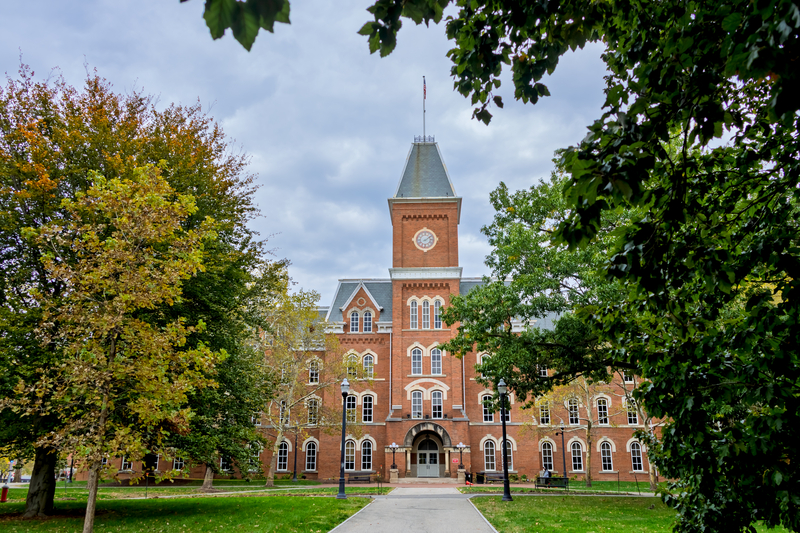
Former Ohio State players are taking a united stand against their university by expanding an ongoing sexual abuse lawsuit that has shaken the institution’s athletic program.
Thirty former Ohio State football players, including multiple NFL veterans, have signed agreements to join a federal class action lawsuit against Ohio State University over decades of sexual abuse by team doctor Richard Strauss.
The legal action stems from an investigation that revealed systemic failures by university administrators and coaches who reportedly knew about the abuse but failed to intervene. The university has already settled with 317 survivors for more than $61 million because of these lawsuits. This expanding case raises questions about institutional accountability and the long-term effect on affected athletes.
Thirty Former Ohio State Football Players Join Sexual Abuse Lawsuit
The group of 30 former Ohio State football players signed engagement letters with attorney Rocky Ratliff, who confirmed he will represent them in joining the class action lawsuit. Ratliff is a former Ohio State wrestler and Strauss survivor who is currently suing the school. He said the plaintiffs will become part of the broader class action case.
Three players agreed to make their identities public: Al Washington, Ray Ellis, and Keith Ferguson. All three were members of the 1980 Rose Bowl team and played under legendary coach Woody Hayes.
Washington, now 67, served as a linebacker at Ohio State before the New York Jets selected him in the fourth round of the 1981 NFL Draft. He played for the Ottawa Roughriders in the Canadian Football League later. Washington recalled that Strauss subjected him to “unlawful” physical exams when he was 18 or 19. Washington said, “When you play football, you face obstacles, and when I was a Buckeye, I decided not to let what happened to me defeat me, so I kept quiet”.
Ellis, 67, played safety at Ohio State and spent seven NFL seasons with the Philadelphia Eagles and Cleveland Browns, recording 14 interceptions and three sacks. Ferguson, also 67, was a defensive end drafted by San Diego in the fifth round of 1981. He played five years with the Chargers and six with Detroit. He recorded 9.5 sacks in his best season in 1986.
Other former Ohio State football players settled their claims under pseudonyms earlier.
Why Former Players Decided to Come Forward Now
Attorney Rocky Ratliff explained that the men came forward eight years after the first lawsuit because they needed to overcome the shame of revealing sexual abuse by another man and the fear of taking on the university publicly. “They are ‘tearful and living with it,’” Ratliff stated. He added that the players see how Ohio State treats athletes as the case progresses and want people to know it’s acceptable to come forward, even in cases of male-to-male sexual abuse.
Washington described the difficulty of discussing the abuse he suffered. He and other players tried to joke about the uncomfortable physical exams. The experience remained deeply troubling. He kept silent about what happened when he was 18 or 19 for decades.
The 2025 documentary film “Surviving Ohio State” triggered Washington’s decision to speak publicly. “As a matter of fact, I couldn’t make it through that movie,” Washington said. “The pain and anguish that I saw, I just couldn’t take it”.
Washington had hesitated to come forward because he didn’t want to jeopardize his son’s career. Al Washington Jr. served as a linebackers coach at Ohio State before moving to the Miami Dolphins. “I didn’t want him to be penalized for something that affected me,” Washington explained.
Washington’s decision to join the class action was driven by his desire to restore the integrity of Ohio State football and help protect future athletes from similar harm, a statement he released said.
Ohio State University’s Response and Settlement History
Ohio State University spokesperson Benjamin Johnson responded to the litigation. He stated the school “has sincerely and persistently tried to settle with survivors, including former football student-athletes, through monetary and non-monetary means, including settlements, counseling services and other medical treatment”. The university and its former president have apologized to the public “to each person who endured” abuse at the hands of Strauss.
Ohio State reached a settlement with 13 additional survivors for $1.8 million by April 2026, averaging more than $138,000 per survivor. This brought the total number of settled cases to 317 survivors for more than $61 million. The settlements span multiple agreements announced in March 2020, May 2020, October 2020, April 2022, July 2022, February 2026 and April 2026.
The university employed no taxpayer, tuition or restricted donor funds for these settlements. The university created an individual settlement program in 2021, and past settlements were reached through court-administered mediation.
Ohio State faces five active lawsuits in the Southern District of Ohio from 236 men alleging Strauss abused them. A federal judge ordered the parties to mediation with a progress report deadline of February 27, 2026. The university has covered certified counseling services and medical treatment for survivors since 2019, with no requirement to contact Ohio State.
Conclusion
The expanding lawsuit against Ohio State University explains the lasting effects of institutional failures to protect student athletes. The courage these former football players showed, who overcame decades of silence and shame, serves as a powerful catalyst for accountability. The university’s $61 million in settlements represents only a partial step toward addressing the systemic failures that allowed Richard Strauss’s abuse to persist unchecked for years. 236 men continue pursuing justice through active litigation.
SEE ALSO: Judge Halts Trump’s Effort to Track Race-Based College Admissions
Related Articles



What's Trending




Recommended for you